1917 W OAK ST #4029

PALESTINE, TX 75801

(903) 731-4478

Call For A Tow Or Repairs

Mon - Fri: 8:00 - 4:45PM

Open Monday Thru Friday

Reliable Shocks, Struts & Suspension Repair in Palestine, TX

Worn suspension parts don’t just make your ride feel rough — they can change how your vehicle handles, how it brakes, and how fast your tires wear out. If your truck feels loose on the highway, your SUV leans harder in turns, or your car is bouncing more than it used to, it’s time to take a serious look at your shocks, struts, and suspension components.

At JR Discount Muffler in Palestine, TX, we replace shocks, struts, and key suspension parts to restore ride comfort and control. Whether you’re navigating East Texas backroads every day or towing heavier loads on weekends, we’ll help fine-tune your vehicle so it feels planted, smooth, and safe again.

How Worn Suspension Affects Comfort, Handling, and Tire Wear

Your suspension system has one main job: keep your tires firmly planted on the road while absorbing bumps, dips, and uneven pavement. When suspension parts wear down, the vehicle can start to “float,” bounce, or feel unpredictable — and that shows up in more places than most drivers realize.

A tired suspension can lead to:

  • A rough, shaky ride over normal road surfaces

  • Longer stopping distances because the tires lose consistent contact with the pavement

  • Uneven tire wear that forces you to replace tires early

  • Steering that feels loose, vague, or unstable at higher speeds

  • More body roll in turns and more sway when towing or hauling

East Texas roads can be tough on suspension. Heat, rough pavement, and repeated impacts add up over time. If you’ve been living with a ride that “doesn’t feel right,” there’s a good chance the fix starts underneath the vehicle.

Shocks vs. Struts: What’s the Difference?

People often use “shocks” and “struts” like they mean the same thing, and it’s easy to see why—both are designed to control motion and keep your vehicle stable. But they aren’t identical, and knowing the difference helps you understand why your ride feels off, why your tires may be wearing unevenly, and why some suspension repairs require more work than others.

Shocks: Ride Control Dampers (Shock Absorbers)

Shocks (shock absorbers) are dampers. Their job is to control the up-and-down movement of your springs so your vehicle doesn’t keep bouncing after you hit a bump, dip, or pothole. Think of shocks as the “stability manager” for your suspension: they help your tires stay planted, reduce body sway, and make your vehicle feel more controlled during braking, turning, and acceleration. When shocks are healthy, your ride feels steady and predictable. When shocks wear out, you may notice a floaty feeling at highway speeds, extra bouncing after bumps, or a vehicle that feels like it takes longer to settle. You might also see cupping or irregular tire wear because the tire isn’t staying consistently pressed to the road surface.

Struts: Structural Support + Suspension Control

Struts are a larger, more integrated suspension assembly. On many vehicles, a strut doesn’t just dampen movement—it also serves as part of the structural support for the suspension. A strut typically includes the damper and also connects with the coil spring seat and mounting points that help hold the suspension geometry in place. Because of that, worn struts can affect more than comfort. They can change how the vehicle tracks down the road, how it steers, and how well it holds alignment. If struts are failing, you may notice steering that feels loose or inconsistent, increased body roll in turns, nose-diving when braking, or a ride height that looks uneven. Strut wear can also contribute to alignment issues faster than shocks because struts directly influence the way the front end is positioned and supported.

Why the Difference Matters for Your Vehicle

The key difference is this: shocks control movement, while struts control movement and also help support suspension structure and alignment geometry on many vehicles. That’s why strut replacement can sometimes be more involved and why worn struts often show up as both a comfort issue and a handling issue. It’s also why a vehicle can “feel okay” around town but become unstable or tiring to drive at higher speeds—once suspension control is compromised, the vehicle is constantly correcting itself.

How You Feel It When They Wear Out

Whether your vehicle uses shocks, struts, or both, worn components create real-world problems you can feel in everyday driving:

  • More bounce and vibration over normal roads

  • Less control in turns and more sway on curves

  • Longer stopping distance because the tires lose consistent road contact

  • Poor towing stability with extra squat, sway, or “push” when braking

  • Uneven tire wear that forces early tire replacement

The Bottom Line

The key point is simple: whether your vehicle uses shocks, struts, or both, once they wear out you’ll feel it—and your tires will show it. If your ride feels rough, floaty, unstable, or you’re noticing unusual tire wear, a shock and strut inspection is one of the smartest places to start. At JR Discount Muffler, we’ll look at how your suspension is built, check what’s actually worn, and explain the most cost-effective way to restore a smooth, safe, controlled ride.


Signs You May Need Shocks, Struts, or Suspension Repair

Suspension wear usually happens gradually, which makes it easy to ignore until it becomes a safety issue. If you’ve noticed any of the problems below, it’s worth getting things checked:

  • Bouncy or “floaty” ride that feels worse at highway speed

  • Nose diving when braking or squatting when accelerating

  • Excessive body roll or leaning when turning

  • Clunking, knocking, or rattling over bumps

  • Steering that feels loose or requires constant correction

  • Uneven or rapid tire wear (cupping, feathering, or bald spots)

  • Pulling to one side or a vehicle that feels unstable in crosswinds

If you tow, carry tools, or haul loads often, worn suspension can show up even faster. A truck that used to feel solid may start to feel “busy” and unstable — especially when braking or taking turns with weight in the bed or on the hitch.

What We Service: Shocks, Struts, and Key Suspension Components

JR Discount Muffler can inspect and replace the most common wear items that affect ride quality and handling, including:

  • Shock absorbers (front and rear)

  • Struts and strut assemblies

  • Strut mounts and related hardware

  • Suspension bushings (as needed)

  • Sway bar links and components that cause noise and looseness

  • Related parts that contribute to poor handling and uneven tire wear

Because suspension issues often overlap, we don’t treat this like a “guess and replace” job. We check the system, identify what’s worn, and explain what matters most — so you’re not paying for parts you don’t need.

Our Suspension Inspection and Replacement Process

We keep the process clear and straightforward so you know what’s happening, why it matters, and what you’re getting for your money. Suspension problems can feel confusing because multiple parts can cause similar symptoms. Our job is to narrow it down, confirm what’s actually worn, and fix the real cause—so your ride quality improves and your tire wear problems don’t come right back.

We start by listening to what you’re experiencing and when it happens. Suspension issues show up differently depending on speed, road conditions, and load, so your description matters. We’ll ask simple questions like:

  • Does it feel bouncy after bumps, or just harsh over rough roads?

  • Do you hear clunks on turns, braking, or over speed bumps?

  • Does the steering feel loose or does the vehicle drift at highway speed?

  • Is it worse when towing, hauling, or with passengers?

  • Are your tires wearing unevenly or cupping on one corner?

This step tells us where to focus and helps us avoid “throwing parts at it.” A bounce concern often points toward dampers. A clunk might be a sway bar link or mount. Uneven tire wear can be dampers or alignment-related parts. Towing instability can be dampers, worn bushings, or a combination. We use your feedback to build a smarter inspection plan.

Next, we inspect the shocks/struts and the surrounding suspension components that commonly wear out together. Suspension is a system—if one part is weak, it often puts extra stress on others. During the check, we look for:

Shocks/Struts

  • Fluid leaks (a common sign the internal seals are failing)

  • Physical damage, bent housings, or corrosion

  • Weak rebound or inconsistent damping (often seen in excessive bounce)

  • Worn upper mounts and hardware that can create noise or looseness

Related Wear Parts

  • Sway bar links and bushings (common cause of clunks/rattles)

  • Control arm bushings and ball joints (can affect steering stability and tire wear)

  • Tie rods and steering components (can cause wandering and poor tracking)

  • Springs/ride height concerns (sagging can change alignment and handling)

We’re not just checking for “bad parts.” We’re looking for why the vehicle is behaving the way it is—because fixing the right part is what restores the ride, control, and tire life you’re paying for.

Once we know what’s worn, we explain it clearly. You’ll get a straightforward breakdown of:

  • What’s failing right now (and how it’s affecting handling or safety)

  • What’s contributing to the symptoms (noise, bounce, pull, tire wear, etc.)

  • What can wait (if anything) and what should be handled soon

  • Your options, including standard replacement vs. upgraded components depending on your use

For example, if you tow regularly or drive rough East Texas roads, you might benefit from a higher-quality replacement option that holds up better under load. If you want comfort and stability without extra stiffness, we’ll steer you toward the right setup for that too. The goal is always the same: give you the best result for your vehicle—not the most expensive parts list.

After replacement, we don’t just bolt parts on and send you out the door. We verify that the vehicle is stable, sitting correctly, and driving the way it should. That includes:

  • Confirming components are installed properly with secure mounting points

  • Checking for noises or movement that could indicate an issue

  • Ensuring the ride feels controlled, not bouncy or unstable

  • Reviewing any noticeable changes in stance or height if applicable

If alignment is recommended based on symptoms or the type of work performed, we’ll tell you. That’s not upselling—it’s protection. Suspension components affect how your tires contact the road, and alignment helps prevent uneven wear and keeps your steering straight and predictable. If tire wear was part of your original issue, we’ll make sure you understand the next step to protect your investment.

Bottom line: our process is designed to give you real improvement you can feel—smoother ride, better control, safer handling, and longer tire life—without confusion or guesswork.
Why Drivers in Palestine Choose JR Discount Muffler

Suspension work shouldn’t feel like a gamble. Our goal is simple: restore control and comfort so you feel confident on the road again.

Customers choose us because we focus on:

  • Straightforward recommendations (no pressure, no confusion)

  • Ride-quality improvements you can actually feel

  • Safe, clean installs that hold up

  • Help for both daily drivers and working trucks that tow or haul

If your suspension has started to feel rough, loose, or unpredictable, don’t wait until tire wear or braking becomes a real problem.

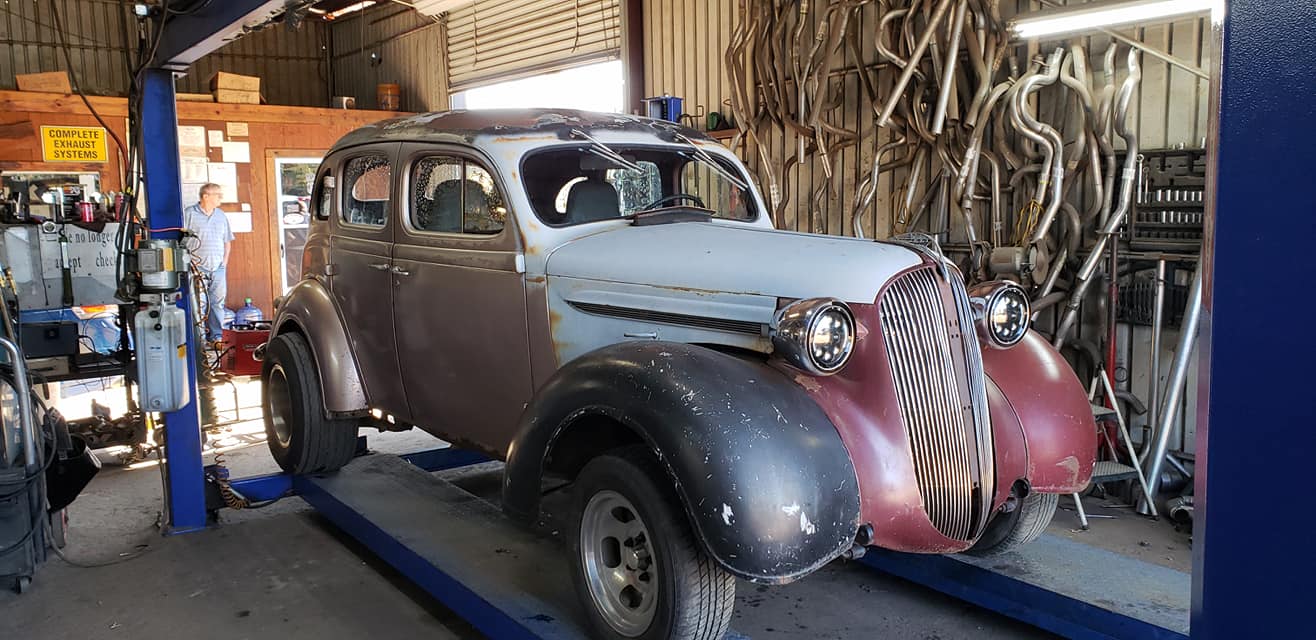
welding and fitment in the service bay on the lift at JR Discount Muffler in Palestine, Texas

Schedule Suspension Service in Palestine, TX

If your vehicle feels bouncy, unstable, or harsh on East Texas roads, JR Discount Muffler is ready to help. Bring it in for an inspection, and we’ll walk you through the best plan to restore comfort, control, and tire life. Whether you’re dealing with a daily driver that’s gotten rough over time, a truck that feels loose when towing, or tires that keep wearing unevenly, suspension problems rarely fix themselves—and they usually get more expensive the longer they’re ignored.